


Welcome to Fangirl Forward, a biweekly look at the people and ideas reshaping fandom, media and entertainment. Each edition bridges the worlds of fans and industry, exploring how community and creativity can shape what’s next.
In today’s edition, we’re unpacking how publicity shapes pop culture behind the scenes, with the help of Lauryn Love.
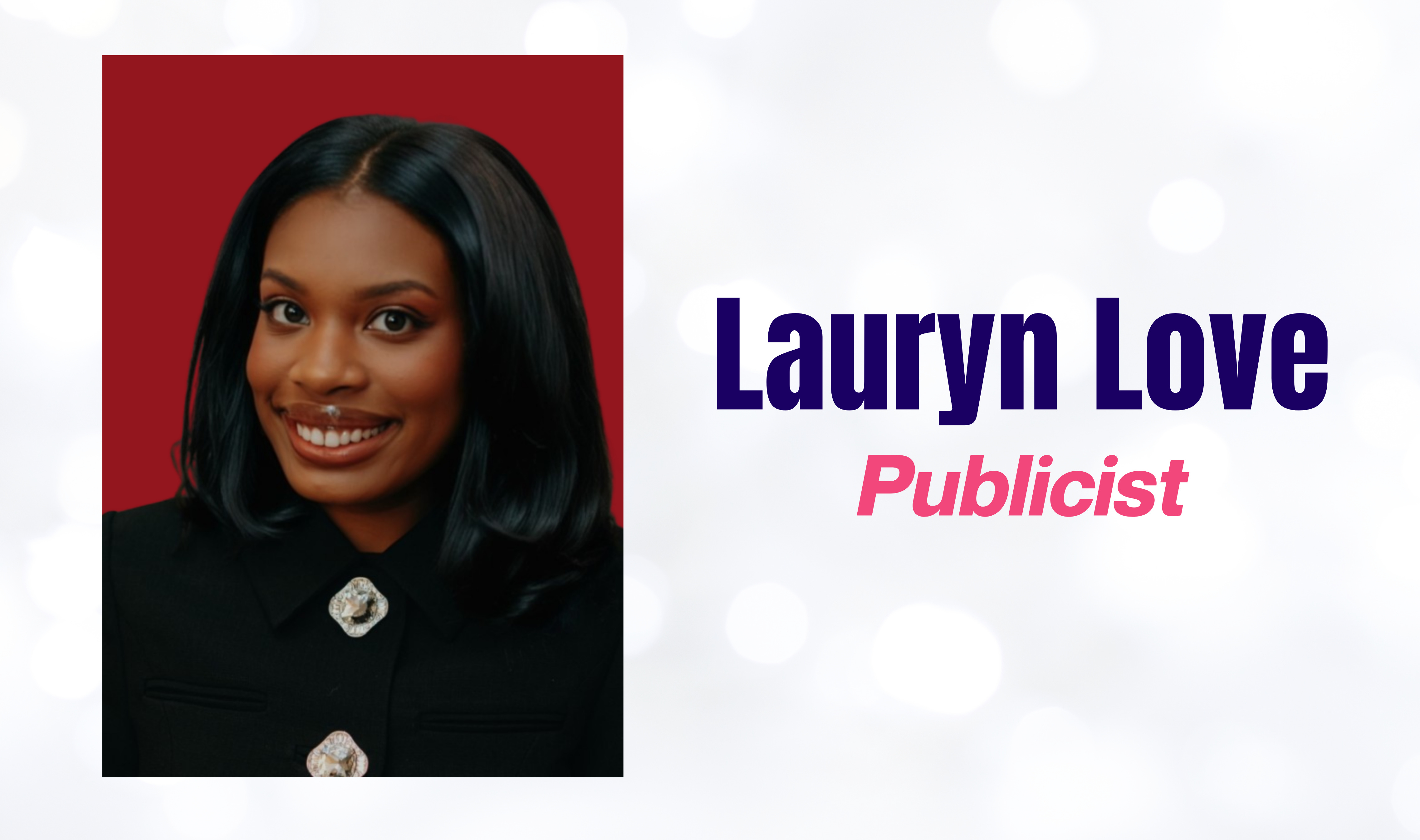
Publicity shapes how pop culture is introduced, framed, and remembered, but most people only see the final headline, red carpet, or viral moment.
Lauryn Love has worked across late-night television, magazines, and news, with publicity roles at NBCUniversal and Hearst Magazines that gave her a front-row seat to how stories are built behind the scenes, and how audience behavior, fandom, and timing increasingly shape what lands. She also writes Love Letters, a Substack examining pop culture through a PR lens.
For creatives curious about how pop culture narratives actually come together, Lauryn’s experience offers insight into the strategy behind visibility.
Below, she shares what makes campaigns resonate, where things can go wrong, and how early-career creatives can better understand the industry they’re trying to enter.
You’ve seen how stories land across so many formats. What patterns have you noticed in why certain campaigns, moments, or narratives resonate with audiences today?
The moments that really land feel intentional without feeling over-engineered. Audiences are extremely media literate and can tell when something feels forced or overly manufactured. The campaigns that resonate tend to tap into a real cultural conversation, align naturally with the talent or brand behind them, and leave some room for the audience to engage and make meaning for themselves.
When you look at campaigns today, what separates well-executed campaigns from the ones that fall flat? Are there any pop culture PR missteps you see often?
The strongest campaigns are clear about what they’re trying to say and who they’re speaking to. The ones that fall flat usually try to do too much or chase trends without a real point of view. A common mistake is confusing visibility with impact. Going viral doesn’t always mean something actually landed.
So much of PR is about understanding how people connect with things. How do you think about audience behavior today, especially in a time where fandom, virality, and online culture shape what gets amplified? Does fandom ever influence the way teams think about strategy in pop culture?
The way audiences interact with media has definitely changed. People don’t just consume it anymore — they engage with it, shape it, and play a real role in what gets amplified. Fandom absolutely influences strategy, and it’s something teams have to consider when thinking about how stories are introduced and sustained over time.
What advice would you give someone who’s passionate about pop culture, fashion, or media and wants to turn that passion into an actual career?
Treat your curiosity like something worth developing and really pay attention to how pop culture moves and how projects come together. Take internships seriously, because those early roles are where you start to understand how the industry actually works and how teams operate day to day. Relationships matter more than people realize, and since the industry is small, the way you show up tends to stick with people long after a role ends.
What are you a fan of right now? Any campaigns, shows, moments, or trends that have been living in your head lately?
Like the rest of the internet, I’ve been obsessed with Heated Rivalry lately. It blew up incredibly quickly, but what has stood out is how organically that momentum has been sustained. It’s been interesting to watch how a passionate audience, strong storytelling, and timing can turn something into a real cultural moment
✨ Wanna read more? Check out the full interview with Lauryn here, explore her Substack Love Letters here, and follow her on TikTok here.
The dialogue between fans and the industry keeps entertainment alive. Here’s a look at what fans are saying, what the industry is doing and why both matter.
Fan Talk
What fans are saying, questioning, and celebrating across pop culture – and what the industry should be paying attention to.
After the Finale, the Heated Rivalry Fandom Went IRL. In the weeks after Heated Rivalry aired its finale, the fandom didn’t fade. Instead, it moved offline with fans creating their own real-world spaces to keep the community alive, from sold-out club nights to a New York City lookalike contest that drew massive crowds eager to celebrate together.
As a DJ on Club 90s’ Heated Rivalry Rave national tour, Mikey Luján saw the fandom’s energy up close. Unlike nostalgia-based theme nights he’s hosted in the past, he said this event felt different because it was built around a show that was “blowing up in real time” — a cultural moment fans were still actively experiencing together. “From behind the booth, the crowd energy is insane,” Luján shared. “What really leaves a lasting impression is the genuine smiles.”
Luján described a room filled with people from “all different walks of life,” drawn together not just by attraction to the characters, but by emotional investment in their stories. “People are craving connection,” he added, calling the rave a place where fans can come together “and just be free of your insecurities.”
Moments like these offer a glimpse of what fandom looks like when it moves beyond the screen. A longer Forward Focus tracing the Heated Rivalry fandom like a love story — from first spark to aftermath — featuring voices from inside the fandom, publishes this Saturday, Valentine’s Day.
Bad Bunny’s historic halftime moment. All eyes were on Bad Bunny, and the numbers back it up. The NFL’s three most-viewed social posts of all time now come from his halftime show, and total social consumption of the performance hit 4 billion views within 24 hours — up 137% from last year. Beyond the numbers, fans turned the show into an internet moment. The hundreds of performers dressed as blades of grass quickly became a meme, and one couple who had invited Bad Bunny to their wedding on a whim got the ultimate fan surprise when he invited them to get married onstage during the halftime show itself.
The fight to get tickets into the hands of fans continues. In our last edition, we discussed fan frustration surrounding Harry Styles’ onsale due to high prices, high demand, and few guardrails against resale. Since then, Noah Kahan announced his upcoming tour would use Ticketmaster’s face-value exchange system and limited transfers to curb scalping. But even that sparked debate, with some fans raising concerns about Ticketmaster’s verification processes and broader privacy implications related to the company requiring some fans to provide legal identification in order to access the presale.
Meanwhile, Ticketmaster announced it will reissue previously canceled Ariana Grande tickets from scalping websites directly to fans through a request process that just opened. Artists and platforms are continuing to experiment with new guardrails, but these moments are showing there’s still no perfect solution. Ticketing is still a business, and fans are still navigating what fairness actually looks like inside that system.
If you have any interest in the future of women’s sports, Unrivaled is worth paying attention to. A sold-out arena in Philadelphia, record-breaking attendance, and an energy that felt long overdue reflected fans responding to finally being taken seriously as an audience. Want a closer look at why it resonated with fans? Read our From the Crowd reporting here.
Industry Moves
From awards to new releases and announcements, these are the entertainment world’s biggest updates fans should know about.
This year is shaping up to be an entertaining one for new fandom experiences. For Broadway fans, a first-of-its-kind festival called The Festival launches August 14–16 in New York, bringing major Broadway stars — including Renée Elise Goldsberry, Audra McDonald, Kelli O’Hara, Christopher Jackson, James Monroe Iglehart, Casey Likes, Joy Woods, Eva Noblezada and Adrienne Warren — together for performances, panels, masterclasses, and immersive fan events.
And if you’re a superfan of Dancing with the Stars, there’s a new way to interact with the show IRL. Following the show’s record-breaking season, DWTS Con is heading to Palm Springs July 31–August 2. The three-day fan convention will feature live performances, Q&As, and appearances from pros like Witney Carson, Ezra Sosa and Val Chmerkovskiy alongside celebrity dancers including Xochitl Gomez, Whitney Leavitt and JoJo Siwa.
Disney has a new CEO, and he’s a parks guy. Disney named Josh D’Amaro as its next CEO, succeeding Bob Iger. If you’ve spent the last few years obsessing over new lands, ride openings, cruise ships, or franchise takeovers at the parks, he’s the executive behind much of that growth. D’Amaro has led Disney’s Experiences division since 2020, overseeing theme parks, cruises, and consumer products — a segment that now accounts for a massive share of Disney’s revenue and profits. His appointment reinforces Disney’s current focus on in-person experiences and franchise-driven expansion, as Disney also navigates streaming and film on the business side.
More shows’ Broadway understudy slips have gone digital. Following new negotiations between the Broadway League and Actors’ Equity, paper understudy slips are phasing out. Playbill launched AtThisPlaybill.com, where audiences can track standbys and alternates for each performance — accessible via QR codes printed in Playbills and updated up to an hour before showtime.
More from Fangirl Forward
Recently published or currently relevant stories from our site.
FANFAQ: What Does It Mean When the Super Bowl MVP Says ‘I’m Going to Disneyland?’ — Seahawks’ Sam Darnold and Kenneth Walker III are going to Disneyland after the Super Bowl. Why? Read here.
Black Girls Belong in Pop Fandom Too — A reflection on how race shapes who feels welcomed in pop fan spaces, and why inclusion and recognition still matter. Read here.
FANFAQ: Dynamic Pricing vs. Platinum Tickets. What’s the Difference? — Breaking down the pricing terms that keep confusing fans at major concert onsales. Read here.
Kate Cummings on Getting Started in Concert Photography — Early in her career, Kate Cummings has toured with artists like Hozier and AJR. She shares what it’s like to learn on the job and break into live music. Read here.
Fangirl Forward now has its own dedicated Instagram! Be sure to follow @fangirlforwardhq for updates about the publication, community and more!
Thanks for reading Fangirl Forward, your inside look at the cultural currents connecting fans and the entertainment industry. New editions publish every other Wednesday.
Fangirl Forward pushes fandom forward by connecting fan skills to career pathways, centering fan perspectives in industry conversations, and building more informed, intentional fan communities.
Our ecosystem goes beyond just this newsletter. We also publish essays, interviews and explainers that dig deeper into how fans shape pop culture, navigate the systems behind it, and build influence across three core verticals:
From the Crowd – first-person fan perspectives
Forward Focus – cultural analysis and expert interviews
FANFAQ – a Q&A series demystifying the entertainment industry through fan curiosity
Fangirl Forward is part of Fan Fave Media, a creative studio amplifying emerging voices and entertainment storytelling through original content, live events, and creative strategy.
Want to collaborate, contribute or join our community? We love spotlighting the people and perspectives moving pop culture and fandom forward.
➡️ Follow @fanfavemedia on Instagram for more stories and event coverage