


Publicity shapes how pop culture is introduced, framed, and remembered, but most people only see the final headline, red carpet, or viral moment.
Lauryn Love has worked across late-night television, magazines, and news, with publicity roles at NBCUniversal and Hearst Magazines that gave her a front-row seat to how stories are built behind the scenes, and how audience behavior, fandom, and timing increasingly shape what lands. She also writes Love Letters, a Substack examining pop culture through a PR lens.
For creatives curious about how pop culture narratives actually come together, Lauryn’s experience offers insight into the strategy behind visibility.
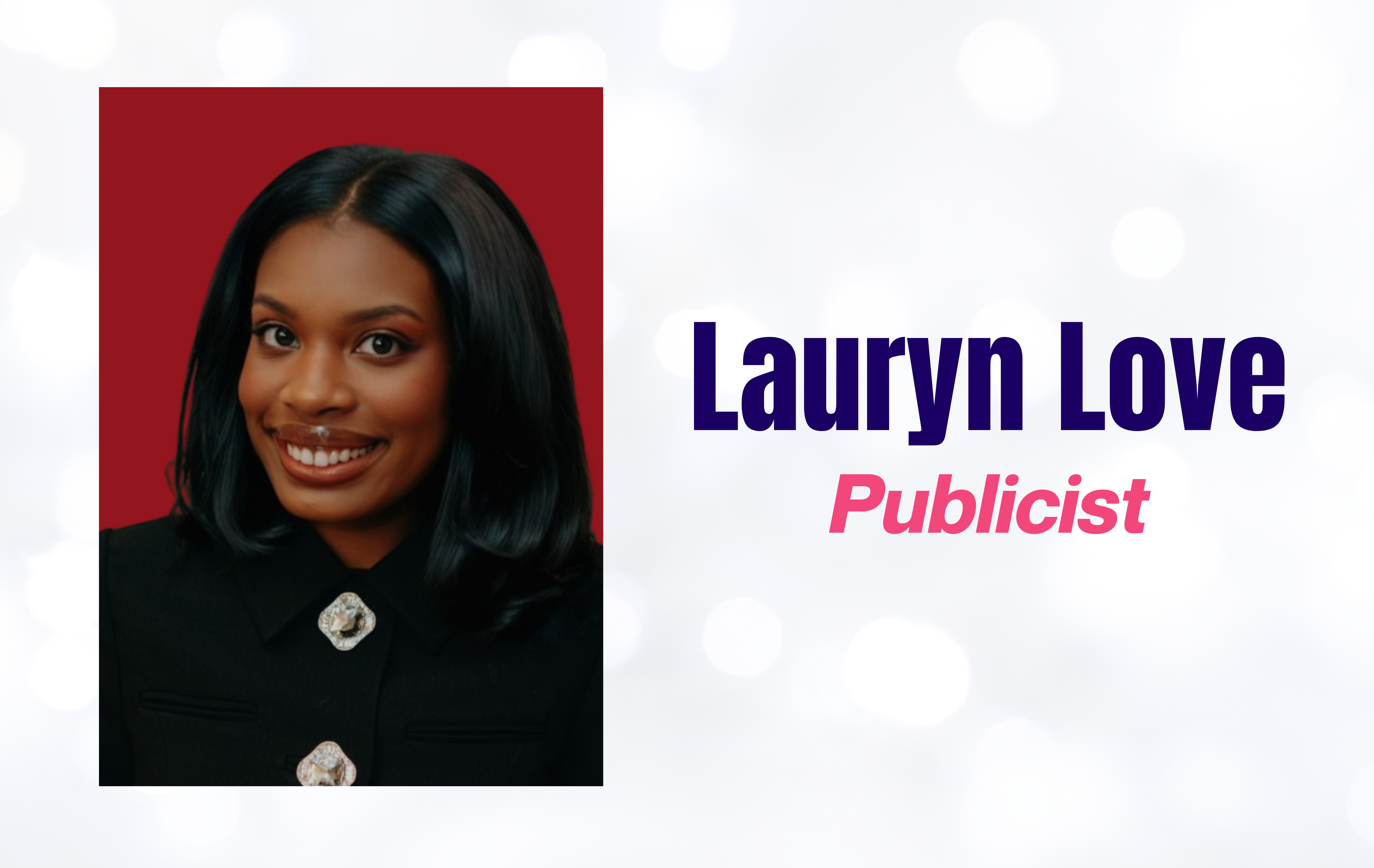
Below, she shares what makes campaigns resonate and how early-career creatives can better understand the industry they’re trying to enter.
You’ve worked in publicity across late-night TV, magazines, and news. What originally drew you to the industry and how did you find your way behind the scenes?
I was always drawn to the why behind what we consume. I loved pop culture and media, but I was just as interested in how stories get shaped, positioned, and ultimately land with people. Publicity felt like the perfect mix of creativity and strategy. I found my way behind the scenes through internships that gave me exposure to press strategy, talent coordination, and media logistics, and once I saw how much impact thoughtful storytelling could actually have, I knew it was what I wanted to do.
You’ve seen how stories land across so many formats. What patterns have you noticed in why certain campaigns, moments, or narratives resonate with audiences today?
The moments that really land feel intentional without feeling over-engineered. Audiences are extremely media literate and can tell when something feels forced or overly manufactured. The campaigns that resonate tend to tap into a real cultural conversation, align naturally with the talent or brand behind them, and leave some room for the audience to engage and make meaning for themselves.
When you look at campaigns today, what separates well-executed campaigns from the ones that fall flat? Are there any pop culture PR missteps you see often?
The strongest campaigns are clear about what they’re trying to say and who they’re speaking to. The ones that fall flat usually try to do too much or chase trends without a real point of view. A common mistake is confusing visibility with impact. Going viral doesn’t always mean something actually landed.
So much of PR is about understanding how people connect with things. How do you think about audience behavior today, especially in a time where fandom, virality, and online culture shape what gets amplified? Does fandom ever influence the way teams think about strategy in pop culture?
The way audiences interact with media has definitely changed. People don’t just consume it anymore — they engage with it, shape it, and play a real role in what gets amplified. Fandom absolutely influences strategy, and it’s something teams have to consider when thinking about how stories are introduced and sustained over time.
You’ve worked red carpets and supported major media events. From the press side, what goes into making those moments land the way they do? Is there anything early career creatives should know?
Most of the work happens long before anyone steps onto the carpet. Early on, I didn’t realize how much goes into getting talent ready for those moments, from hair, makeup, and styling to media prep and making sure everyone’s aligned going into the carpet. And even more goes into it once you’re actually running the carpet, making sure the right press are there, interviews are moving smoothly, and everything stays on schedule. The best red carpet moments look effortless, but trust, they’re the result of very careful planning.
What’s a behind-the-scenes reality about publicity work that people on the outside would be surprised by?
How much of the job is problem-solving in real time, paired with how much thought and planning goes into everything. Plans change constantly. Schedules shift, availability changes, and messaging evolves. A big part of the work is staying calm, adjusting quickly, and making sure both the story and the people attached to it are handled thoughtfully. It can be stressful in the moment, but when it all comes together, it’s incredibly rewarding.
You’ve had a front-row seat to some of the biggest entertainment brands. What did those environments teach you about navigating the industry early in your career?
Working in those environments taught me to stay curious, be dependable, and take the work seriously. No matter how big the brand, the industry is small, and people remember how you show up. Consistency and trust go a long way.
What inspired you to start Love Letters, and how does writing about campaigns and pop culture shape the way you think about PR and storytelling strategies?
Love Letters started as a place to slow down and unpack the moments shaping culture in real time. It’s where I cut through the noise and look at why certain campaigns, stories, and pop culture moments actually stick, and how they come together behind the scenes. Writing it has sharpened how I think about storytelling and strategy, and it’s become a space to connect entertainment, media, and culture in a way that feels thoughtful but accessible.
What advice would you give someone who’s passionate about pop culture, fashion, or media and wants to turn that passion into an actual career?
Treat your curiosity like something worth developing and really pay attention to how pop culture moves and how projects come together. Take internships seriously, because those early roles are where you start to understand how the industry actually works and how teams operate day to day. Relationships matter more than people realize, and since the industry is small, the way you show up tends to stick with people long after a role ends.
What are you a fan of right now? Any campaigns, shows, moments, or trends that have been living in your head lately?
Like the rest of the internet, I’ve been obsessed with Heated Rivalry lately. It blew up incredibly quickly, but what has stood out is how organically that momentum has been sustained. It’s been interesting to watch how a passionate audience, strong storytelling, and timing can turn something into a real cultural moment