


Welcome to Fangirl Forward, a biweekly look at the people and ideas reshaping fandom, media and entertainment. Each edition bridges the worlds of fans and industry, exploring how community and creativity can shape what’s next.
In today’s edition, we’re examining what it actually means to be a “professional fan” in the journalism industry. As fan culture becomes more visible across media spaces, there’s an ongoing tension between enthusiasm and expertise. But loving music doesn’t get in the way of good journalism. In many cases, it can make your work even better.
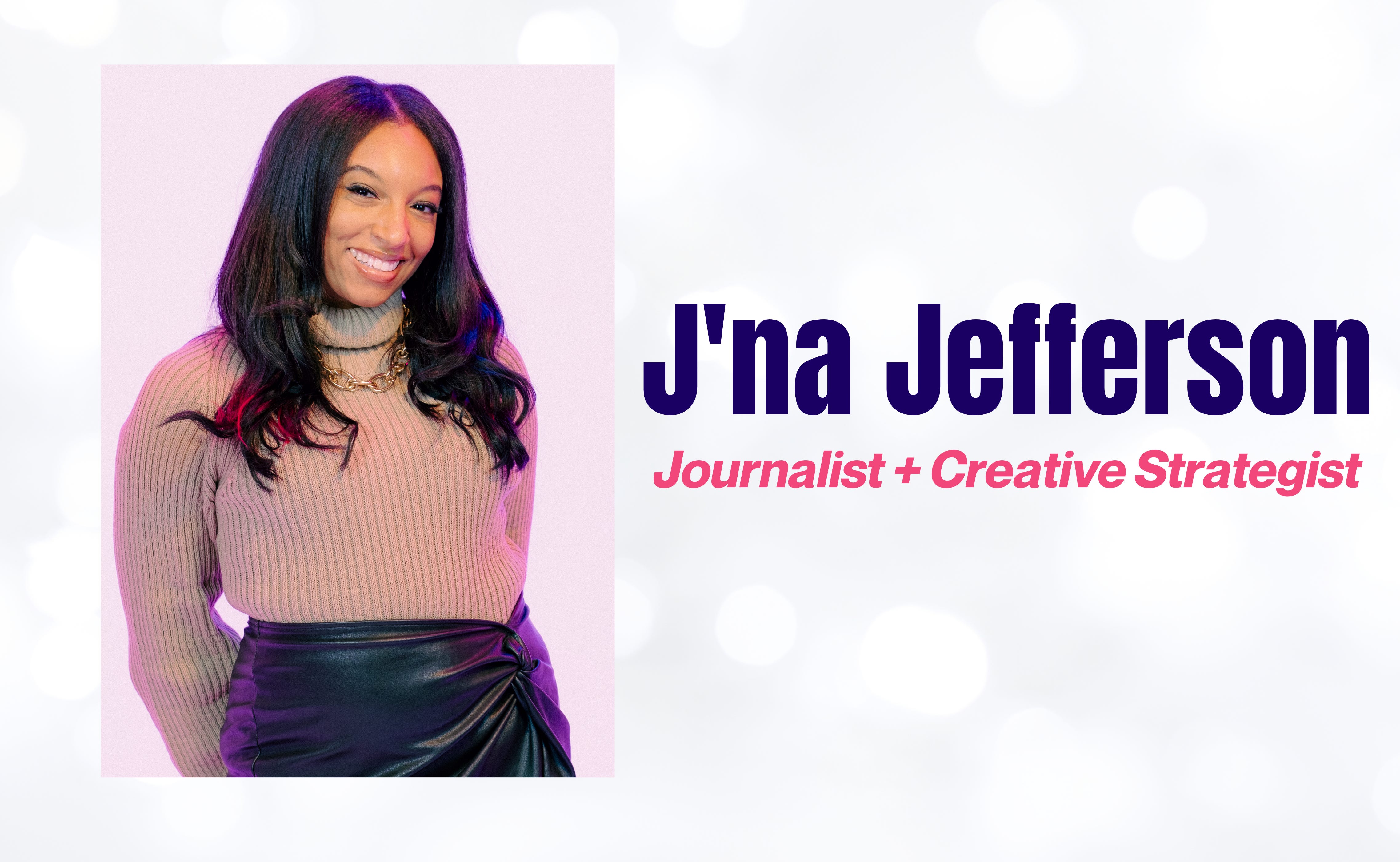
J’na Jefferson is a multidisciplinary writer and producer with more than a decade of experience in music journalism. Her work has appeared in Rolling Stone, Billboard, USA Today, and Harper’s Bazaar, and she has interviewed artists ranging from Ciara and John Legend to Doechii and Tate McRae. She has also taught music reporting at the Craig Newmark Graduate School of Journalism, bringing her industry experience into the classroom to help others grow too.
Below, she shares how she balances admiration with professionalism, approaches sensitive topics with care, and keeps cultural context at the center of her reporting.
You’ve been described as a “professional fan” before. When you hear that, what does it mean to you, and do you think there’s any misconceptions about that?
I love being a professional fan because, above all, what I care about is music. I love being able to call myself a journalist, and I love the doors journalism has opened. But before any of that, I was someone who just loved music. I don’t think I’ve ever run into misconceptions, but there’s definitely a time and place to flaunt excitement. So it’s about peppering in bits of information about the things I’ve learned and the things I know when I can in certain settings, but for the most part, just letting people learn on their own and putting them on if they ask.
When you’re interviewing artists you genuinely admire, what helps you stay present and intentional in the moment?
I just have to tell myself, this is just a regular person with a cool job. My first big kid interview was in 2016 with JoJo. I remember thinking, okay, this is going to be cool. Who doesn’t love JoJo? She’s such an inspiration. But she is just a regular person with a cool job. From that moment on, I was like, I will probably never feel starstruck again, because I know what I have to do. In the moment, you just talk to them like a normal person.
There’s often an expectation in music journalism to “dig deep” and get something revealing, especially in a landscape where fans feel very connected to artists. How do you balance that with respect?
I think it’s because I know what kind of journalist I am. I’m trying to get better about being the one who gets it rather than being the one who puts it out. I don’t want to be the one who puts it out.
For instance, say you’re interviewing someone like Harry Styles. Liam Payne passed away almost a year and a half ago now, and that was a big topic among One Direction fans. So I think if I were to ask a question about Liam, I would have to be very, very careful about being like, “Oh, Harry Styles talks about Liam,” as opposed to being like, maybe he had a comment on it. I think people want to get the scoop. They want to be the first. But when it comes to certain topics, I wouldn’t be in a rush to ask about certain things, because when he goes on his press tour, he’s not going to answer questions about what’s going on with One Direction. He’s going to answer questions about his music.
Same thing with Ciara. I interviewed Ciara a couple of months ago, and I had seen a tweet where someone was just like, “See, this is actual journalism. You guys probably would have asked her about being a WAG.” And it’s like, that’s the last thing I think about when I think about Ciara, because she has this huge, long career. Let’s focus on what’s actually happening.
You just have to recognize what is going to be worth it in the end. And you also want to make sure that your guest feels comfortable, because this is their whole career. So I think that would probably be my advice: focus on the craft, and everything else — just leave that to the people who want that tea.
You also write about music in the context of race, gender, sexuality, and identity. How does that shape the way you report?
I think before anything, obviously, I am a Black woman. We’re taught from a very young age, this is you, this is the world. You might not get everything that you want, but that doesn’t mean you stop being who you are.
When I first started in journalism, I definitely just wanted to talk to the cool people. But I think it was honestly the election of 2016 that made me recognize I could do more with the gift I have as a writer, and with my experiences growing up, to make a difference.
I don’t want it to just be, “Oh, I wrote this thing.” I want it to be, I wrote this because I felt this. I wrote this because I heard this song and it made me think about the larger picture that’s going on.
From there, that changed how I approach writing about everything. I don’t think I can write about just any old thing. I really have to think about the intricacies of the music, the culture, the societal implications. There are so many layers that need to be explored, because music is really a snapshot of the times that we’re living in. And if I can help one person contextualize the thing they love in a way that’s approachable and understandable, but still keeps my voice and opinion intact — that makes me feel good.
What are you a fan of right now?
I like Zara Larsson a lot. She’s such a star. I first heard her in 2016 with “Never Forget You,” and I’m glad she’s having a renaissance right now. I’ve been going to the gym a lot, so I’ve been in my female empowerment baddies era — Victoria Monét, Megan Thee Stallion. They make me want to go harder for myself and just be the best version of who I am. I just listened to Monaleo for the first time — she’s a female rapper, she’s pretty good. Sault just came out with a new project. They’re like a funk/jazz, mysterious group, super cool. I really like Jacob Banks. UK musicians have been taking me there lately — I’ve been listening to Sasha Keable a lot. Bruno Mars is coming out with his album, so I’m mentally preparing. I got tickets to the tour, and Raye is the featured guest, so I’m really excited. Also Alemeda, she’s pop-rock and angsty. Very cool vibes.
In the full conversation, J’na also talks about tracking music trends, red carpet professionalism, and why music journalism is far more rigorous than people think. Read it here.
Explore more of J’na’s work: She’s interviewed artists like Doechii, Ayra Starr and Tate McRae, and written cultural deep-dives for MTV, Billboard, and Miami New Times. You can browse her portfolio here and Substack here.
Fangirl Forward now has a brand new Instagram page! Be sure to follow @fangirlforwardhq for updates about the publication, community and more!
Heated Rivalry: A Fandom Love Story in Five Acts
Every love story has a beginning. A spark, or a meet cute moment where something goes from casual interest or attraction to full commitment and true love.
This one started with a hockey romance, and grew into sold-out club nights, viral lookalike contests, podcasts, fan edits, and even career breakthroughs. This Forward Focus explores how the Heated Rivalry fandom moved from screen to real life — from sold-out Club 90s DJ nights to viral NYC fan events — speaking with the creators, organizers, and fans turning the show’s energy into something tangible. Read here.
The dialogue between fans and the industry keeps entertainment alive. Here’s a look at what fans are saying, what the industry is doing and why both matter.
Fan Talk
What fans are saying, questioning, and celebrating across pop culture – and what the industry should be paying attention to.
Disney Channel nostalgia is continuing to have a moment. Disney+ just announced a Hannah Montana 20th anniversary special, featuring a live studio audience interview with Miley Cyrus and recreated sets from the original show. At the same time, Hilary Duff is fully back in her music era, selling out shows in cities across the country, including NYC’s Madison Square Garden where she had to add a second date after tour queues reportedly hit over 100,000 people. Between half a billion hours streamed for Hannah Montana on Disney+ and fans showing up hard for Duff, it’s clear millennial and Gen Z fans are still deeply invested in the stars who raised them.
America’s Next Top Model is back in the conversation, and so is audience accountability. Netflix’s Reality Check: Inside America’s Next Top Model has become a major talker, revisiting some of the show’s most controversial moments. While former models opening up have been widely praised, Tyra Banks’ comment that escalating drama happened because “viewers wanted more” has sparked a bigger debate online. When reality TV pushes ethical boundaries, are audiences just watching, or are fans part of what keeps those moments profitable?
Fans are connecting Manon’s hiatus to a bigger pattern. After KATSEYE announced that Manon would be taking a hiatus to focus on her health, online reaction escalated quickly. Fans have flooded the group’s comments with boycott threats, questioning the label’s statement and pointing to differences between Manon’s message and the company’s wording. While no additional details have been confirmed about Manon’s situation, the moment has clearly tapped into something deeper. Manon has previously spoken about facing racism-fueled hate, and fans have begun drawing parallels between her experience and those of other Black women in girl groups, including Normani (Fifth Harmony) and Leigh-Anne Pinnock (Little Mix). In recent days, Black artists have also publicly shown support, amplifying online conversations that have resurfaced long-standing discussions about stereotypes, visibility, and how the only Black member in a group is often portrayed and protected — or not — by both labels and fandoms. Whether or not this situation turns out to be what fans fear, the intensity of the reaction shows how protective fans feel, and how closely they’re watching how artists are treated.
Industry Moves
From awards to new releases and announcements, these are the entertainment world’s biggest updates fans should know about.
Agency shakeup continues. You may have seen an artist you follow post about leaving or denouncing Wasserman in recent weeks. Several major artists, including Chappell Roan and Laufey, have formally left the agency as it moves toward a sale and expected rebrand amid leadership controversy. While representation changes don’t immediately affect tours or releases, they can shape long-term strategy and partnerships — so this is something to keep watching.
Apple Music and TikTok are testing new features that would let users stream full songs directly inside TikTok and join group “Listening Parties” within the app. If it rolls out widely, it could make music discovery even more social, and keep fans inside the platforms they’re already using.
ESPN is launching “Women’s Sports Sundays” this summer, dedicating primetime coverage to WNBA and NWSL matchups in one of its biggest investments yet to women’s sports. At the same time, the WNBA has told players a new collective bargaining agreement must be reached by March 10 to avoid impacting the 2026 season — a reminder that as women’s sports gain more fans and visibility, the fight over how players are paid and supported is still very real.
Localized ticketing is still on the table. For the first two hours of ticket sales in Fayetteville, J. Cole limited purchases to billing addresses within a 30-mile radius of the city. It’s not something we see often, but it gave fans in the rapper’s hometown a head start, and shows to fans everywhere how targeted ticketing options can exist. With ongoing frustration around ticketing, it’ll be interesting to see whether more artists experiment with this approach in the future.
Fandom Spark
Featuring the standout fan projects and industry tactics igniting connection right now.
Artists are hitting the road to promote their new albums in some pretty cool ways right now. To promote his new project The Fall Off, J. Cole has been pulling up to cities in his old Honda Civic, selling physical copies out of the trunk like he did before the fame. And in Silver Spring, he took it a step further, picking a few fans up and driving around playing the album for them.

Meanwhile, Megan Moroney is in the middle of her “9 Cities. 9 Days.” run for Cloud 9, playing her album from top-to-bottom and selling tickets to fans for only $9 (purchases limited to mostly in-person). Fans have been lining up early just to be part of it.
Both approaches feel different from the usual polished press tour. They’re smaller, more personal, and built around fans actually being part of the moment instead of just consuming it. And they require something from the artist, too. Driving fans around in your car isn’t exactly low-effort. Playing nine cities in nine days for $9 tickets is exhausting. But that’s kind of the point. They’re leaning in and meeting fans where they are in order to create experiences people can share, talk about, and remember — whether they were there in person or watching it unfold in real time.
Forward Motion
Keep your pop culture career momentum moving forward with jobs, opportunities, events, and practical tips.
🎵HeadCount is hiring paid NYC-based interns across Music & Politics, Brand Partnerships, Digital & Communications, Artist Relations, Graphic Design, and Voter Engagement — with opportunities that put you at concerts, festivals, and cultural campaigns bridging pop culture and civic action. If you’ve ever felt the power of a live show and wondered how that energy could shape something bigger, this is how you can turn fandom into direct impact. Apply here.
🎥 Warner Bros. Discovery is still accepting applications for select summer internships in graphic design, creative affairs, marketing and social media. If you’re looking to get inside how major franchises and campaigns are built, this is where that work starts. Apply here.
📺 Versant — the parent company behind brands like E!, SYFY, USA Network, Fandango and Rotten Tomatoes — is hiring summer interns in marketing and program strategy, offering hands-on experience in how film and TV campaigns reach audiences. If you’ve ever live-tweeted a premiere, tracked box office numbers, or scrolled timelines and Letterboxd for reviews before buying a ticket, this is the side of the industry that shapes those fan moments. Apply here.
🎭 New York Theatre Workshop’s paid 2050 Administrative Fellowship is now open for the 2026–27 season, offering underrepresented early-career creatives hands-on experience in Artistic, Development, Education & Engagement, or Marketing within one of NYC’s most respected nonprofit theatres. If you’ve ever left a show wondering who makes the magic happen behind the scenes, this is a direct path from audience member to industry insider. Apply here.
More from Fangirl Forward
Recently published or currently relevant stories from our site.
FANFAQ: What Does It Take for Broadway to Cancel Performances? — A blizzard in New York City this weekend caused Broadway to shut down. Learn how it happened. Read here.
Lauryn Love on How Pop Culture Stories Are Shaped Behind the Scenes — The publicist shares what makes campaigns resonate and how early-career creatives can better understand the industry they’re trying to enter. Read here.
Thanks for reading Fangirl Forward, your inside look at the cultural currents connecting fans and the entertainment industry. New editions publish every other Wednesday.
Fangirl Forward pushes fandom forward by connecting fan skills to career pathways, centering fan perspectives in industry conversations, and building more informed, intentional fan communities.
Our ecosystem goes beyond just this newsletter. We also publish essays, interviews and explainers that dig deeper into how fans shape pop culture, navigate the systems behind it, and build influence across three core verticals:
From the Crowd – first-person fan perspectives
Forward Focus – cultural analysis and expert interviews
FANFAQ – a Q&A series demystifying the entertainment industry through fan curiosity
Fangirl Forward is part of Fan Fave Media, a creative studio amplifying emerging voices and entertainment storytelling through original content, live events, and creative strategy.
Want to collaborate, contribute or join our community? We love spotlighting the people and perspectives moving pop culture and fandom forward.
➡️ Follow @fangirlforwardhq and @fanfavemedia on Instagram for more stories and event coverage.