


Welcome to Fangirl Forward, a biweekly look at the people and ideas shaping the future of fandom, media and entertainment. Each edition bridges the worlds of fans and industry — exploring how communities are built, opportunities are created, and how audience power is reshaping the business of pop culture.
One of the clearest ways fans show love for the artists they care about is by making something of their own. From edits and fan fiction to custom merch, fandom has always been a space where creativity thrives. But when those creations clash with copyright and licensing rules, things can get complicated.
Platforms like Softside are now exploring what it looks like when fan creativity is officially brought inside the system.
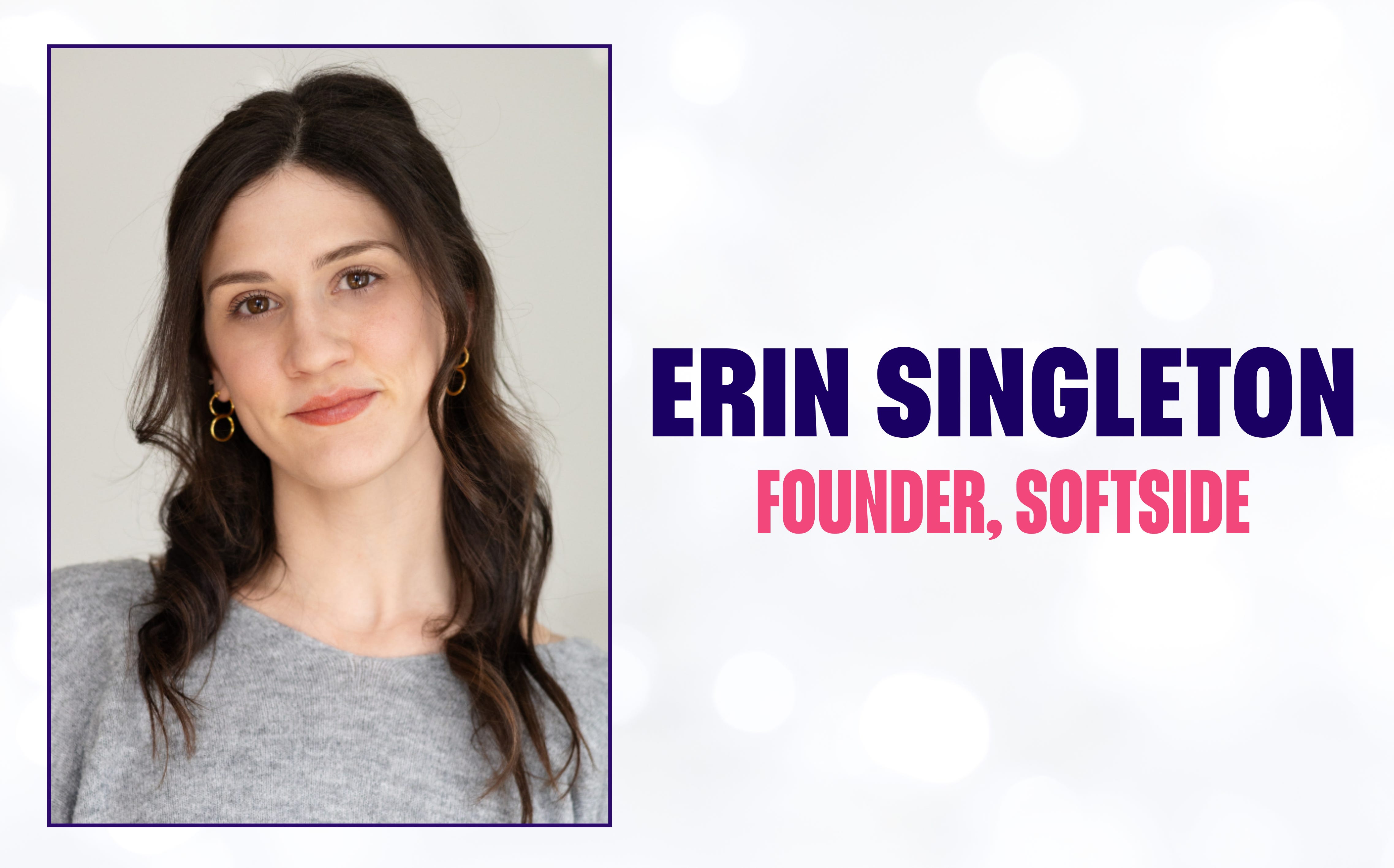
Founded by former touring and A&R professional Erin Singleton, Softside is a creator platform that enables fans to collaborate directly with music artists on officially licensed merchandise. Working with artists including Geese, Black Country, New Road, and August Ponthier, the platform supports the full process, including design collaboration, licensing approvals, production, fulfillment, e-commerce management, and revenue sharing.
Below, Erin reflects on what fans understand about creative collaboration, what fairness could look like in fan-artist partnerships, and why stepping outside your comfort zone can be an important part of turning your passion into opportunity.
When you were digging into fan art and merch during the pandemic, what was the moment you realized this was an ongoing problem in the industry that needed a real solution?
I think it was when I started seeing our own clients’ work. It’s one thing to notice it as an outsider fan who just likes fan art in general. But once I actually started seeing fan art and fan merch directly related to some of the artists that I was working with at the talent agency, it was really an eye opener.
We were working on the live tours of maybe 75+ artists, and I was seeing their fans on TikTok, Etsy, and other social media marketplaces making merch for them — especially with the rise of print-on-demand technology. That was the moment I realized there was so much out there directly impacting my clients’ IP and their merch businesses.
And once you start digging and go down that rabbit hole, the floodgates open. You realize how much this impacts other artists as well.
Having spent so much time in fandom spaces, what did you want to make sure wasn’t lost when you turned that experience into a business?
I think it was trying to meet fans where they already were in terms of how they create. For example, when I was first figuring out what Softside would look like — and it was a very rudimentary platform on Shopify with no real tech behind it — something I was reading a lot and hearing from fans was that they already had these beautiful works and portfolios ready for potential collaboration.
Not every fan wants to participate in a design contest, because that requires creating something from scratch. That can take hours or even days, and then it might not get selected.
So to meet fans where they were, we recognized that they had already created really beautiful work, and that should be enough to be considered for collaboration with music artists. If they’re approved, they can then start creating something in a similar style to their portfolio but aligned with the specific project the artist has coming up.
That was really important to us early on — making sure fans felt respected in the creative process, because they’re creatives in addition to being fans.
What do you hope changes about how the industry works with fans over the next few years?
I think just fairness in general. We try really hard to find every possible angle to make a collaboration feel like a true, fair partnership between both the music artists and the creator. For example, we have a royalty system where fans participate in the royalties of each sale.
Some music artists have also paid flat fees on top of that, but at a minimum, we try really hard to make sure that’s maintained in every partnership, with a few exceptions. My goal would be for that to become more of a norm. I think music artists are perhaps more used to just paying a $500 flat fee to a fan. They take the design on the road and can see thousands of units sold without any royalty participation for the designer.
So I think that basic level of fairness will ultimately create a more positive, creative collaboration process for both the music artists and the fan.
For fans who want to turn their passion into something real, what’s one thing you wish you’d understood earlier?
My advice would be to be more comfortable with discomfort when putting yourself out there, because you never know who’s watching. Doing something even if it doesn’t get likes or sales — setting a personal challenge to post new fan art every day on Instagram, even without a following. However that looks for you, even beyond fan art, I think challenging yourself to do something a little uncomfortable and being confident about it is really important for growing your skills, networking, and finding your audience.
Interested in reading more? In the full conversation, Erin discusses the lessons learned while building Softside and how the company is keeping things fair for fans while still respecting IP and artist control. Read it here.
The fan conversations and industry decisions shaping how entertainment is experienced right now.
Disney Channel fandom is cyclical. Everyone is talking about the return of Hannah Montana and all of the celebrations centered on its 20th anniversary. But did you also catch the announcement of the Descendants/Zombies/Camp Rock 3 Worlds Collide arena tour? While one generation is celebrating fandom through nostalgia, another generation is experiencing Disney Channel fandom in real time.
The early 2000s were certainly a peak era for Disney, and the stories and fandom experiences from then influenced an entire generation that’s now adults. But while one generation assumes Disney fell off after that time, the reality is the network’s fandom is actively being rebuilt for a new era of young audiences.
As anniversary specials and throwback-driven tours ramp up alongside new franchises and live experiences, it’s worth paying attention to how entertainment companies are learning to monetize memory while cultivating the next generation of fans at the same time.
BTS return brings both massive demand and cultural debate. The group’s first full comeback since military service is drawing global attention, but an animated teaser referencing Howard University has also sparked criticism from some fans who say the depiction didn’t reflect the school’s historical Black identity. For global artists and teams, moments like this highlight the importance of cultural accuracy when storytelling intersects with real institutions and the communities, including fans, who feel connected to them.
Influencers vs. journalists on the red carpet? It’s a question people are asking following the Oscars. It might sound like a general media debate, but it directly shapes how fans experience celebrity culture. Influencer-hosts often bring a more casual, personality-driven interview style — one that can feel fun and relatable, but sometimes lighter on substance and more parasocial-driven. As entertainment coverage evolves, fans are left asking, do we want access and entertainment, or context and real conversation? Ideally, the future of red carpets finds a balance between both.
Fan usage of artificial intelligence is getting…even more strange. AI-generated photos of Zendaya and Tom Holland’s “wedding” recently went viral — convincing enough that Zendaya had to clarify on Jimmy Kimmel Live! that the images weren’t real. As AI tools become harder to detect, moments like this raise bigger questions about consent and how far fans should be able to go in digitally imagining celebrity lives.
Apple Music is centering the concert-going experience. Thanks to a new collaboration with Ticketmaster, fans using the streaming service can now see in the app when an artist is touring near them.
The WNBA’s next chapter is taking shape.The WNBA has officially ratified a new collective bargaining agreement, locking in changes that could reshape player pay, league growth, and long-term fan investment. Read our latest FANFAQ to understand what it means and why it’s a pivotal moment for women’s sports.
Is signed merch losing its meaning? Fans are increasingly questioning the value of signed albums and memorabilia as autopen signatures become more common. At the same time, chasing real-life autographs can create uncomfortable encounters and fuel intense resale markets. So where does that leave fans who want a tangible connection to the artists they support? If a signature isn’t truly personal, does it still hold emotional or financial value?
Career moves, opportunities, and next steps for fans building in media.
Interested in getting hands-on experience at a music festival this summer? Bonnaroo is hiring paid externs in various departments, including Festival Administration, Sustainability Operations, Media Operations, and VIP Operations. Learn more and apply here. C3 Presents, the producer behind music festivals like Governor’s Ball, Lollapalooza and Austin City Limits is hiring for various Premium Staff Opportunities. Learn more and apply here.
Magnolia Pictures is hiring a marketing intern based in NYC to support the studio’s social media campaigns. Apply here.
Live Nation is hiring summer interns across booking, marketing, production, and more. Apply here, applications close April 24.
Vaulted Digital is hiring contractors who are passionate about music and internet culture to help run fan pages and create content across TikTok, YouTube Shorts, and Instagram for artists and creators. To apply, email sara@vaulted-digital.net.
Thanks for reading Fangirl Forward — where we push fandom forward by connecting fan skills to career pathways, centering fan perspectives in industry conversations, and building more informed, intentional fan communities.
Beyond the newsletter, we publish cultural analysis (Forward Focus), fan-led live event reporting (From the Crowd), and industry explainers (FANFAQ).
Fangirl Forward is part of Fan Fave Media, a creative studio focused on entertainment storytelling, live experiences, and cultural strategy that amplifies emerging voices.
Want to be part of the conversation?
➡️ Follow @fangirlforwardhq and @fanfavemedia for updates
New editions publish every other Wednesday.
Fantastic piece, thanks for sharing! The Softside intro is really inspiring and eye-opening.