


Welcome to Fangirl Forward, a biweekly look at the people and ideas shaping the future of fandom, media and entertainment. Each edition bridges the worlds of fans and industry — exploring how communities are built, opportunities are created, and how audience power is reshaping the business of pop culture.
Fandom has long been framed as a space of belonging, and particularly, a place where fans can connect, create, and feel seen through the artists and communities they love. But for some, especially disabled fans, that sense of inclusion doesn’t always extend beyond the surface.
Despite growing conversations around accessibility, much of the music industry still operates at the level of compliance rather than experience, meeting basic requirements without fully considering what it actually means for fans to participate in real time.
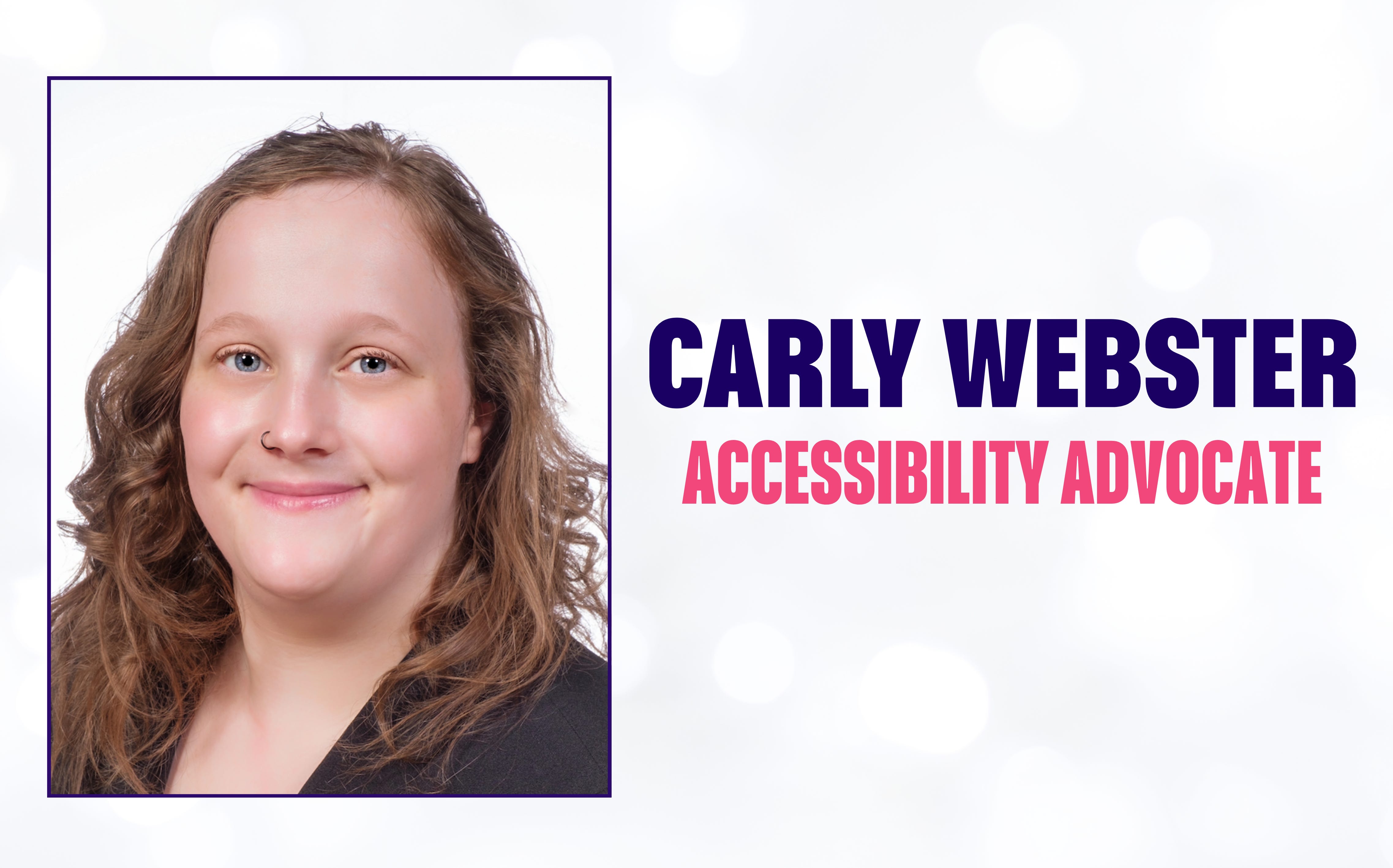
Carly Webster has been working to change that — both as a fan and as an emerging professional across the music industry, with experience spanning organizations like HeadCount and Wasserman Music.
At 15, she founded Disabled Music Fans Collective after noticing a lack of representation for disabled fans across music spaces. What began as a fan-led effort has since evolved into advocacy work, alongside her growing experience across the music industry and live events.
Below, Carly shares where the industry is improving, where it continues to fall short, and how fans can play a role in creating more accessible, intentional communities.
You started Disabled Music Fans Collective when you were just 15. What were you noticing in fandom spaces at that time that others seemed to overlook, and what made you decide to actually build something instead of just talk about it?
At that time, I would say it was the peak of my fandom activity, and I was noticing a lot of fan projects and initiatives popping up for LGBTQ+ fans, fans of the global majority and things like that. I thought that was great, but when I really dug in, I didn’t see anything for disabled fans.
My mindset was, yes, we have some regulations that make venues more accessible — but what about fans who, for medical, geographical, or financial reasons, might never be able to make it to a gig?
Especially after the pandemic, there was a bigger opportunity for artists to engage with fans in ways that were not only virtual, but actually accessible. And we’re still seeing artists miss the mark in terms of not using captions on videos and not including image descriptions. Now that we’re out of COVID restrictions in a lot of places, we of course also no longer really have virtual concerts.
So I kept coming back to the idea that we need more representation and a spotlight on this. I had spoken up about it before, but I realized we needed a bigger foundation behind it. I started doing more unofficial fan initiatives, and then once I graduated high school and started doing stuff in the industry, I saw that while people would support the idea, there wasn’t a real path for action or funding unless we had the nonprofit status, so that’s what I did in 2024.
It’s been kind of hard to play that role as a college student as well, but at least I overcame that hurdle. Post-grad I want to put more time and energy into it, because it is something the industry is still really missing.
From what you’ve seen, where is the industry genuinely improving when it comes to accessibility, and where is there still work to be done?
I think the industry is doing really well at recognizing the philanthropic and social impact side of things, whether that’s through tours, merch campaigns, or other initiatives. I love that there’s more of that happening.
But at the same time, we’re kind of missing the point — we’re missing the human experience. I love working with social impact partnerships where I can, but there’s still so much to be done in understanding that accessibility is more than just boxes to check. It has to be a holistic commitment and support for people who are giving their time, money, and energy to these artists.
I would say there’s always a dynamic where bigger companies are going to have more resources to put into accessibility than a really small venue, and that’s totally understandable. I try to hold space for that.
But there’s a difference between using the resources you have to do the best you can in that moment and just completely not doing anything. And I’m not saying that’s the case for every venue, but when larger companies oversee a lot of venues, it can end up being applied inconsistently — which is something I think is trying to be worked on more.
For fans who care about accessibility but don’t know where to start, what’s a small but meaningful action they can take?
Really follow and pay attention to disabled creators and disabled fans. Even if they’re not talking about concert-specific things every day, there’s still so much to learn from their lived experiences.
Also, I think a great way to educate yourself is to look at accessibility standards — not only digitally, but also in your local community. Look at venues there and see if they meet basic requirements. When you go to a show, go with a friend and kind of audit it — take a look at things, write down what you notice, text a friend. Just keep an eye on things.
You don’t necessarily have to do what I do and call everything out, but that sharing of information is such a key part of fandom, and we should use that to our advantage in holding venues and the industry accountable.
There’s always going to be younger fans coming up who are still engaging with fandom, and I don’t want them to feel unseen or excluded because things aren’t accessible.
We’ve had so much time, and accessibility was never meant to be the ceiling. As fans, we really have to take charge of that — because we deserve better for our time, our money, and our energy, and we contribute so much to this industry.
What are you a fan of right now?
I’m really loving the revival of certain styles of music and seeing artists come back in new ways. Like, Hilary Duff is about to go on tour — I wasn’t really old enough to grow up with her music, but I’m like, okay, cool. Good for the millennials.
And then Zayn going on his solo tour. One of my first fandoms was One Direction, so seeing him get to a place where he can say, like, ‘I’m ready to do this,’ that takes a lot of guts. Especially considering everything he’s been through. I’m very proud to see him doing that, and I can only wish him nothing but the best.
I also really love seeing artists speak up about things they care about, especially right now. I started a playlist called ‘Revolution’ because a lot of recent songs feel like they’re about holding people accountable and pushing for a better world.
Interested in reading more? In the full conversation, Carly reflects on building Disabled Music Fans Collective, navigating advocacy in the industry, and what it takes to sustain this work long-term. Read it here.
Connect with Carly here.
Career moves, opportunities, and next steps for fans building in media.
Love content creating? Respective Collective, the agency producing fan-driven content at major pop culture events, is hiring for their summer internship program. Apply here.
AEG Presents is hiring summer interns across partnerships, marketing, social media, sustainability, and more. Apply here.
If you’re interested in working behind the scenes in theater and arts marketing, the Public Theater is hiring a Marketing & Communications Associate to support campaigns across digital, PR, email, and live events. This role offers hands-on experience in audience engagement, ticketing strategy, and cultural marketing at one of NYC’s leading arts institutions. Apply here.
Netflix is hiring a Documentary Awards & Publicity Intern to support press strategy, campaign planning, and industry events. The role offers hands-on experience in how films move through awards season and build cultural impact. Apply here.
Thanks for reading Fangirl Forward — where we push fandom forward by connecting fan skills to career pathways, centering fan perspectives in industry conversations, and building more informed, intentional fan communities.
Beyond the newsletter, we publish cultural analysis (Forward Focus), fan-led live event reporting (From the Crowd), and industry explainers (FANFAQ).
Fangirl Forward is part of Fan Fave Media, a creative studio focused on entertainment storytelling, live experiences, and cultural strategy that amplifies emerging voices.
Want to be part of the conversation?
➡️ Follow @fangirlforwardhq and @fanfavemedia for updates
New editions publish every other Wednesday.