


As social platforms reshape how fans interact with music, fan creators are taking on a new kind of role.
These accounts do more than post concert videos or artist updates. They organize communities, track tour information, interpret announcements, and help fans navigate the increasingly complex world of live music. In many ways, they function as informal media outlets built from within fandom itself.
Haley Hart is part of that growing ecosystem. She co-runs @theconcertbesties, a music and concert culture account that has rapidly grown into a global fan community with more than 22,500 followers across Instagram and TikTok spanning multiple artist fandoms. Over the past year, the platform has reached millions of viewers by sharing concert videos, tour updates, and fan-focused content.
When Harry Styles announced his 2026 return and upcoming tour, Hart’s account quickly became a gathering point for fans following the rollout in real time. The moment also led her to help launch a fan-led global ticket matchmaking initiative, connecting fans buying and selling tickets across the tour. For Hart, the experience reflects her belief that the music industry runs on the communities fans build around artists.
Below, she discusses building fan-first media spaces, navigating the responsibilities of running a fast-growing platform, and why fan communities are increasingly shaping the music industry.
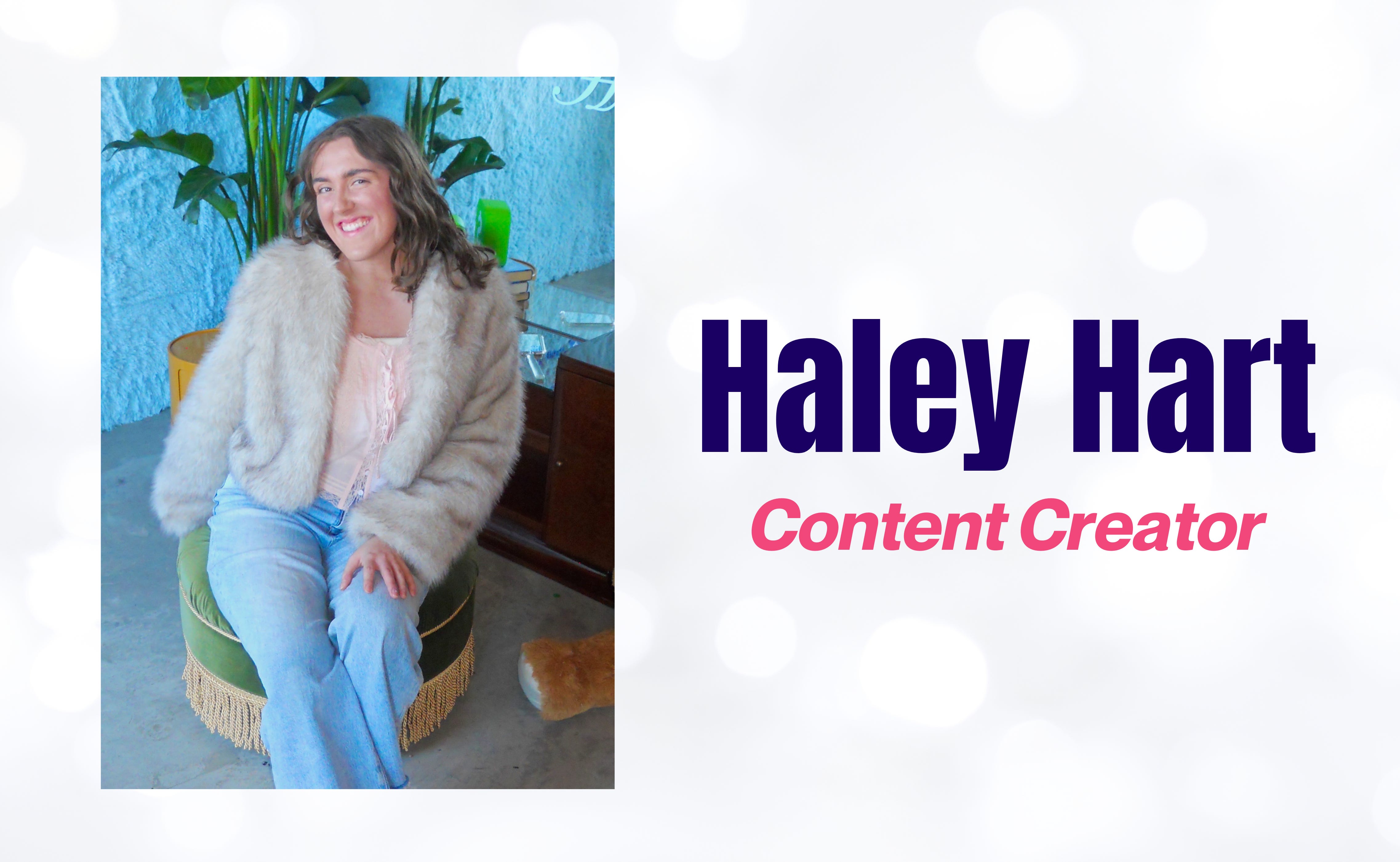
Your platform sits at the intersection of fan, media outlet, and community organizer. How would you describe what you actually do?
I think the best way to describe it is that it’s by fans, for fans, which has always been the perspective I’ve wanted the account to have. I feel like there are so many people in our generation who want to be influencers and content creators, especially within the music industry. It’s almost become a cliché thing that a lot of girls in their twenties are trying to do. But I think it’s so important to not only have a platform where you post fun content and engaging things, but to really build community. As a fan myself, experiencing the same things that I’m pushing out to my followers firsthand is really important, and it honestly makes it so easy to do what I do, so I always want to keep that fan-first perspective as the focus of the account.
I think it’s a special community-building space where we literally have fans from all over the world. It’s not just based in the United States. A couple weeks ago I did a livestream and people were joining from the Netherlands, Portugal, and so many fun and cool locations. It made me realize that the community is not just something you can get at concerts or events. It's something that's digital, and it spans across the globe, which I think is so special.
When Harry Styles announced his tour, your account essentially became an information hub in real time. What were you seeing that made you realize fans needed structure along with their excitement?
I’ve been a Harry Styles fan for about 10 years, so I am very involved in his fandom. During the Love on Tour era a few years ago, I relied on so many update accounts, so I honestly have learned so much seeing how those fun and practical resources impact fans and the whole rollout period.
For me, I just started posting stories saying things like, “Oh my gosh, this is cryptic. I don’t know what this means.” But then it turned into more of a conversation. People were messaging me in DMs, commenting, and I started going live to talk through all these things that were happening.
It shifted from just posting updates to saying, “Let’s go through this together.” I think it’s so cool that Harry’s whole slogan this era is “together, together,” because I feel like that’s what my account has turned into—a “together, together” moment where I’ve seen fans come together from all over the world to talk about these cryptic things. Like, “Oh my gosh, Harry has the clock moving to 9 p.m.—what does that mean? What is happening?”
I've also connected with a lot of larger accounts directly affiliated with his team on Twitter, so I was able to take information and directly push it out to my followers too. So it wasn’t just all these cryptic things. I can go back now and say, “Wow, I was right about a lot of these things,” or things that I predicted, which is so cool.
It created a special connection between me and the people who were also hyped about everything happening, and it also became a resource where people trusted what I was saying. A lot of things were correct because of how the rollout was happening, and I had the resources to push that information out to other fans.
I also think it’s beautiful to see the connection I’ve had with other accounts doing this, because I was once in their place. I was relying on big accounts like HSD and HarryFlorals to push out information that I was sitting there waiting for. Seeing those resources made me say, “I want to be that for other fans too.” I think it turned out really cool, and I loved it.
You launched a global ticket matchmaking system within hours. What did building that reveal to you about the gaps fans experience — and what fan-led solutions can do differently?
Fans are ultimately the music industry. The music industry is genuinely made up of fans, and really the product of any artist—promotion, music, touring—is for the fans themselves.
So I think fans saw that there was a problem, and I saw that too. You’re saying this tour is coded with the word “together,” and you want fans to come together and have a special experience between your favorite artist and the fans who love the music. But I saw that wasn’t accessible right now, and that’s really hard—not just in Harry’s fandom, but across fandoms. There are so many tours where music is becoming inaccessible, which isn’t the point of what music is supposed to be. It’s stepping away from people and becoming more about profit, which is a bummer.
So I said, you know what, I’m going to step up and say, if bigger organizations aren’t going to do something about this, then let’s try to. I connected with Ticketmaster, SeatGeek, StubHub, and Live Nation and asked, “How can we work together to get real fans tickets and make this more accessible again?”
But when those conversations kind of fell through, I said, well, let me take it into my own hands. I asked some friends, “Would this be crazy if I did this?” And they were like, “How can we help you?” It wasn’t, “No.” It was, “Let’s do it together.”
I have six of my amazing friends—many of them college students from all over the country—who came together to say: we’re the fans taking this into our own hands. We’re saying, we want this not just for ourselves. For me, I also wanted tickets to Harry’s tour, but I said honestly I care about so many other people getting tickets and being able to experience the music that was created for the fans.
Harry especially has talked about how he wants his album and his tour to feel like fans are all together in a concert pit, and I thought, well, let’s make that happen.
The ticket box has been such a cool community starter. Not only have my friends and I been on FaceTime for like six hours every night, going through and manually doing all these things, but it’s also become a community-building moment.
I get so many messages, and so many people have connected with me about how even just the effort and initiative has been really inspiring. It’s encouraged them to see how fans can take initiative to make change. I feel like that’s an incredible end goal for me, and I love it. It’s just been such a privilege to do it.
You’ve worked with brands like Ticketmaster and SeatGeek, but you’ve also stepped in where fans felt unsupported. How do you navigate being both a brand partner and a fan advocate?
I think the first thing is that a lot of these ticket platforms have reached out to me after seeing what I’m doing, because they recognize that I’m trying to be a resource. They’ll say, “Hey, let’s work together in this way,” and I really appreciate that.
I honestly don’t want to despise those relationships because, at the end of the day, it’s a systemic problem — not a people problem. The people who work at Ticketmaster and these large organizations are not really the problem. If I can connect with them to make things happen and be a resource to help people, I want to build those relationships.
It’s about being able to go to them and say, “Hey, listen, here’s a problem that my followers are talking about. How can I work with you on a bigger scale to address it?” I’m in conversations with Ticketmaster and SeatGeek a lot about those ticket questions currently.
For me, I want to have those relationships, but at the same time, keep it at a point where it’s like, “Hey, you guys also have an opportunity here.” You have more power in your hands than I have in mine. I can do a little bit, and I can do the work myself to manually make a small impact. But building together with those brands—even though they are at the root of the problem—means you can turn those systemic problems around.
They have stepped up to be in contact, and they’re encouraged by the initiatives I’ve been doing, as well as trying to help in the best way they can. I know they also have a lot of limitations, but working with them has been a privilege.
I’m hoping that on a bigger scale, through these conversations, we can make things happen so there isn’t as much of a discrepancy between ticket organizations and fans. Even them wanting to connect, be resources, and do what they can through creators is really encouraging about where we’re headed down the line.
You’ve grown quickly during major pop culture moments. How do you make sure growth doesn’t come at the expense of the fun and relational energy that made it grow in the first place?
I think the growth honestly comes so quickly, to the point where I’m like, oh my gosh, this is just insane. Even from the beginning of December to now, we have almost 10,000 followers on Instagram alone.
I think it’s honestly just the genuine, authentic content. I never want to step away from that. You can have all this polished, brand-focused content where brands are saying, “Hey, can you make this video? Do this video.” But at the heart of it, I always want to stay true to my vision of making it a fan-first, UGC-type account.
I don’t want to sacrifice that by becoming an influencer or becoming this person who cares so much about the growth and impressions. I mean, I do care about those things, but ultimately my followers are at the center of everything I do. I’m not creating for myself. I’m not creating to get noticed by brands or to have all these artist partnerships. I’m creating for the people first.
For me, I was just in a conversation with someone pretty prominent in the industry yesterday about this, and I said that’s where my heart is, and I don’t ever want that to shift. Everyone can promote themselves, everyone can promote and ask for tickets, but at the end of the day, your growth is going to be determined by your purpose. People see the authenticity of your account, and they’re going to want to follow along with that.
We need more of that today, especially in the fan space. I think it’s beautiful to see that fans who don’t have hundreds of thousands or millions of followers still have a voice. They still have an opportunity to do things and make an impact. I think it’s such a special place to be, for sure.
You work in social media professionally during the day and build fan infrastructure at night. What’s one lesson from running your own platform that you couldn’t have learned inside a corporate role?
I think it’s about realizing how much creativity can dictate your success. A lot of times in corporate jobs—especially in social media—things are so tightly controlled that you almost can’t be creative if other people don’t understand it or if it doesn’t fit within the company’s approval process.
A lot of executives are in their 40s or 50s and don’t always understand the things that 20- or 30-year-old fans might understand, so you lose a little bit of that creativity. That said, there are a lot of major music companies that allow creators and social media people to go fully rogue and do amazing things.
But for me, this experience showed that I have the power to make an impact through the content that I create. I don’t feel like I’m in a box. I don’t feel like I have a checklist of things I have to do. If I see something other fans like or something that matters to people, I’m going to hop on that and do it without restraint.
I think it’s beautiful because I’ve never had that before. I’ve never had a platform where I’m genuinely running it and making all the decisions, so that’s the biggest difference I’ve seen.
It’s also very different seeing how a corporate music industry role compares to something that’s fan-focused. You can be more fun. You can be more off the rails. Some of the content I post is very niche, and I’m like, “The girlies might get this. The girlies might not get it.” That’s the kind of thing you can’t always do in a professional setting.
But I think it’s beautiful because now I see the impact I can make as someone who isn’t doing this professionally. It makes me feel like if I go into a professional role, I can say, “Hey, I think we should switch this up,” or change the system a little bit so we bring in a fan-first, authentic perspective.
Ultimately, with social media in the professional industry, everything is for the fans. You can market, make money, and do the sales, but at the end of the day, who is the audience? Who are you doing it for? It’s the fans. I think that’s what I’ve learned the most.
You’ve said fans understand the industry deeply. What role do you think fan creators are going to play in shaping the music industry over the next few years?
I think a lot of fans want to follow accounts they feel the most connected to. You can follow an HQ account, an artist account, or the big-name labels and larger accounts, but at the end of the day those don’t always feel as personal. Not saying all of them don’t, but a lot of the time they’re focused more on a specific goal or reach. They’re trying to market or promote something.
I think fans are much more focused on connection. It’s not just, “I’m following this to get information or be sold something.” It’s, “I want to connect. I want to build community. I want to see people in this space who care about the things I care about.”
Even recently, I’ve been trying to expand beyond music into film, television, books, and other things. I want to show that I’m not just in one niche. I want to show that I care about the things people on the internet also care about.
It’s kind of beautiful to be in your twenties and feel like you’re chronically online and connecting with people that way. I also think it’s a great perspective to bring into the industry. When you’re making those connections and working with brands and labels, you can bring that ideation and that flair into those spaces and say, “Hey, this is what works to directly reach fans. This is how you connect with fans.”
Honestly, it makes such a difference, because there are a lot of bigger labels that do care about fan focus and are moving more in that direction. You even see big artists at concerts bringing in fans to do interviews or bringing in fans to showcase the experience, and I think that’s such a cool perspective.
We need more of that—not just through me and not just because I want to do it, but because there are so many fans out there who bring really cool ideas to the table and are creative in so many different ways.
I think intertwining that with the professional industry is something I’m really hoping to see more of in the future. I definitely think we will, because it’s becoming more and more apparent that fans are very involved in the industry. I’m really excited to see how things grow and change.
What are you a fan of right now?
Okay, I’m going to be very relevant to the last week. I’m a fan of Charli XCX’s Wuthering Heights album. I think it’s so well done. I’m a Brat truther until the day I die. But I think this new era of Charli stepping into this new musical genre—and the soundtrack—is just so beautiful. I think it’s one of her best eras. I know that’s a hot take, but I’m just so impressed by it, so that’s been on the aux recently. We’re about two weeks away from Harry’s album, so obviously I’m a fan of that too.
But I would say most recently it’s been Charli’s Wuthering Heights album and the movie. It flowed so beautifully. It just really made sense. I really appreciate her and her artistry and everything she’s doing within the music industry. I love it.
Editor’s note: This interview was conducted prior to the release of Harry Styles’ new album.
Explore more of Haley’s work: You can follow @theconcertbesties on Instagram here. Hart also recently launched a new fan-focused account, @fangirl.allthetime, celebrating everyday fandom moments, which you can explore here.
This interview has been lightly edited for clarity and length.