


Over the last decade, Darija Katolik has lived at the intersection of fandom and media. She’s led fan engagement initiatives and accounts for artists like Rita Ora, Tate McRae, Lauren Spencer Smith and Meghan Trainor, supported live tours, and built online communities that reach millions of fans each month. But along the way, she noticed a gap. Fans were often driving conversation online, but their perspective was rarely being centered in traditional coverage.
That realization, along with a growing frustration seeing women dragged in tabloids, led her to create ROARA, an online magazine dedicated to spotlighting women in entertainment through a fan-led lens. Each issue aims to challenge harmful narratives and highlight the impact of women whose work shapes pop culture.
Below, Darija shares how ROARA began, what she’s learned from years in the fan engagement space, and why she believes fan-led storytelling is a powerful tool for rewriting the narrative of women in entertainment.
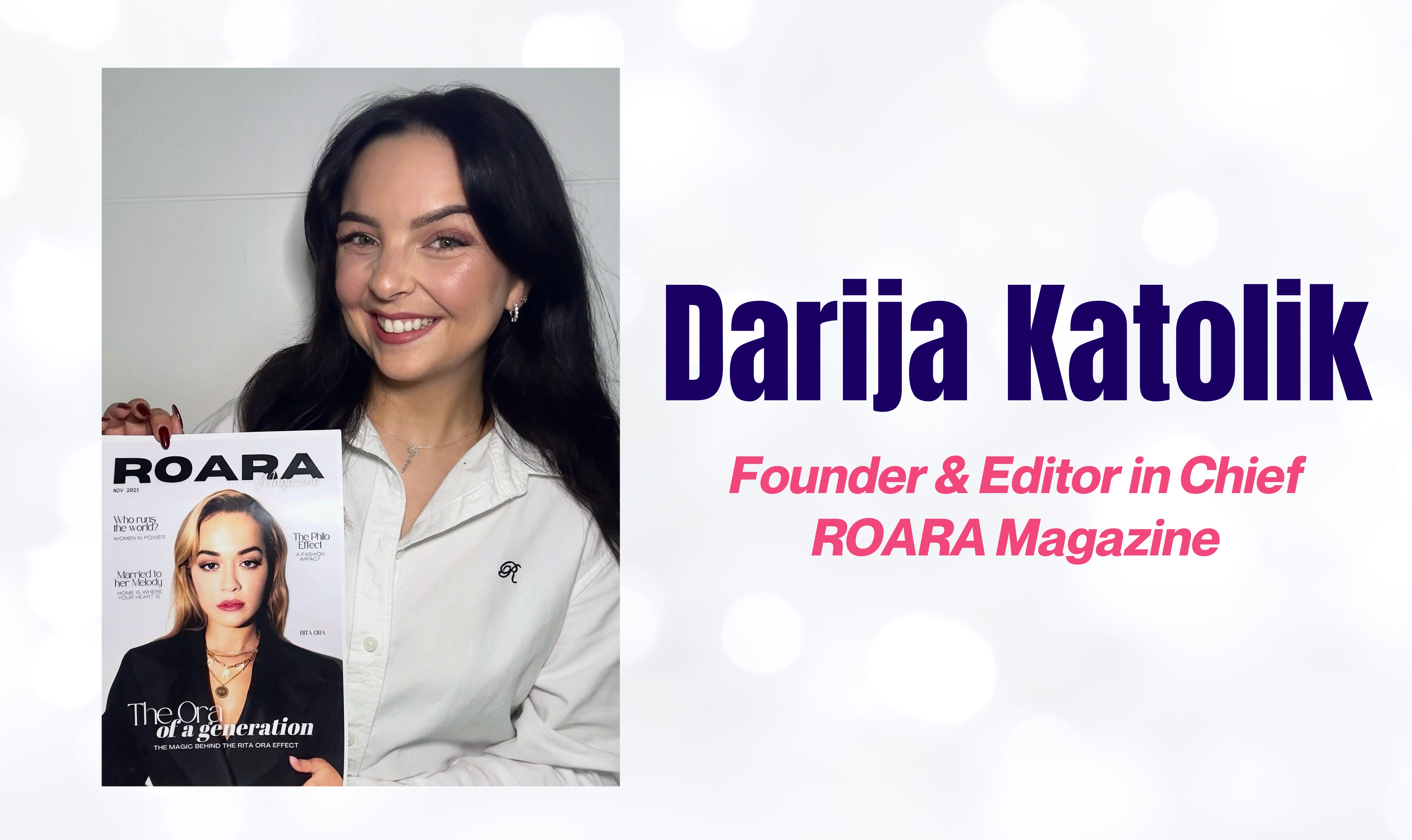
ROARA began as a response to how the media treats women, especially women in entertainment. What was the moment that first pushed you from fan to founder?
I originally got into journalism to change the narrative around someone I care about, who was treated poorly by tabloid media. Knowing the amazing human being Rita Ora is, I wanted to share the truth - and I did with my first article, published in 2021 (republished in 2025). The response blew me away and made me realize the power of the fans’ perspective and the positive impact it can have. A few months later, I decided to give the fans’ perspective its own platform and space to flourish. Something I’ve always said is: why wait to see change when you can be a part of making it happen?
You’ve spent nearly a decade in fan-driven media. What has working with artists and fanbases taught you about the power fans really hold in shaping narratives?
Fans truly are the backbone of the music industry. They drive an artist’s success in ways that traditional campaigns can’t. Making them a part of your music campaigns should never be optional, it needs to be a non-negotiable. Every fandom has its own vibe, but they all share the same goal of seeing their favorites thrive.
ROARA stands out because the storytelling is fan-led. What do you think changes when fans shape the angle, tone, and perspective of a story?
Fans speak from the heart, with pure intentions, sharing the human side that mainstream media often misses. By giving fans a platform, ROARA collects and amplifies their perspectives, turning them into stories that reflect the real person behind the name.
Part of your mission is challenging harmful media narratives about women. What are the most common patterns or biases you see, and why do you think they persist?
Women in the industry face so much criticism and it’s rarely about their impact, but rather their appearance or mistakes they made. They aren’t given the benefit of the doubt, nor are they being taken seriously, even when they are the most competent person in the room. It’s sadly always been like this, but while it’s difficult to fight it, we have the power to overweigh it with a new and more uplifting narrative.
You’ve said ROARA was born from wanting to “write a new narrative” instead of just reacting to the old one. What does rewriting a narrative look like in practice?
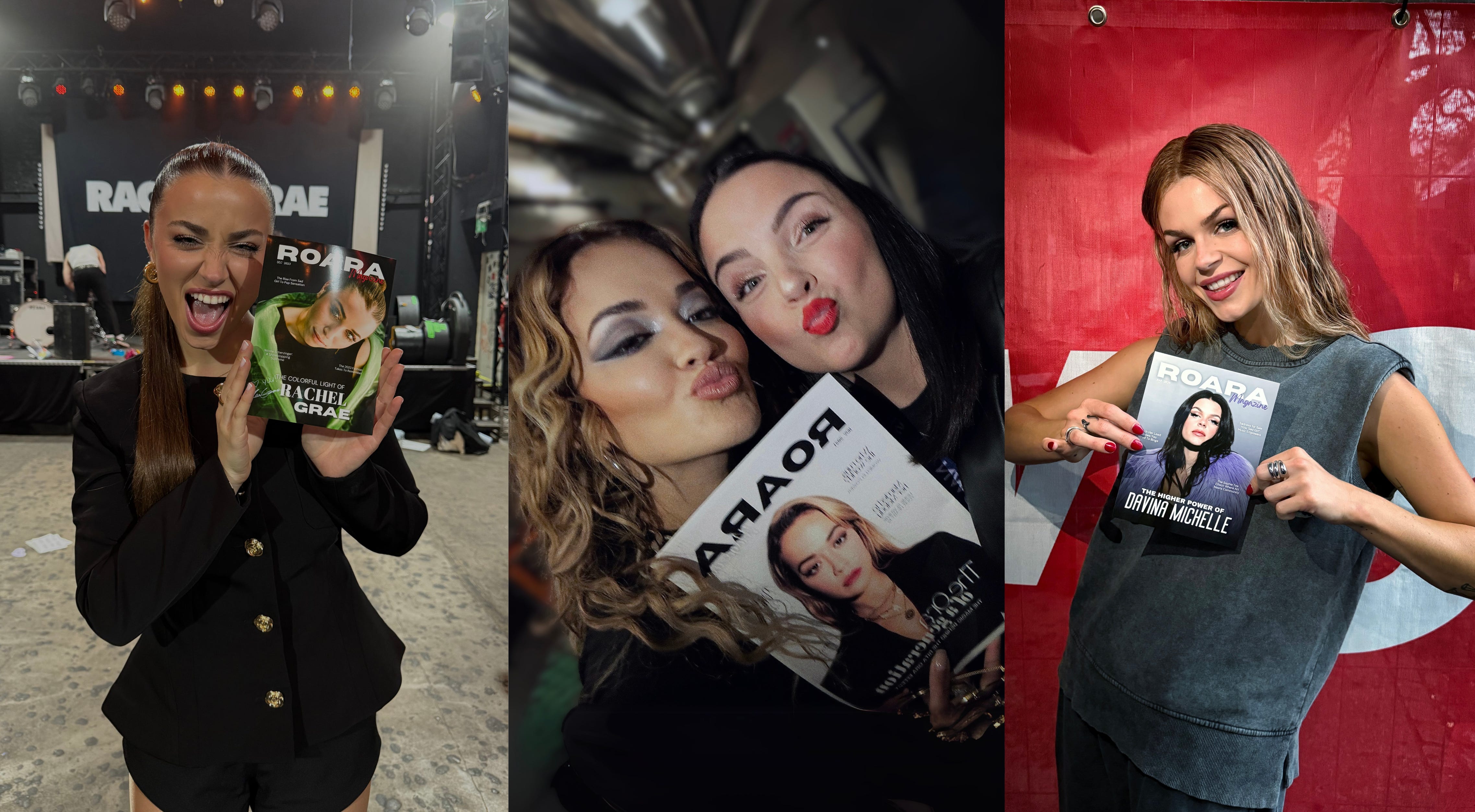
Each month, the featured article is written based on the fans perspective of the woman we are putting on our cover. I reach out to fans and ask them to simply answer a few questions like “what made you become a fan of hers?” or “what’s something you wish people knew about her?” Based on and inspired by their answers, I write the featured article. This way, I might be the one shaping the narrative, but the fans are the ones who make it possible — they’re the heart of each story.
Launching your own publication is not an easy task. What were the biggest challenges you faced building ROARA, and what has kept you going over the last four years when things felt difficult?
The biggest challenge for me is writer’s block. Especially when the next issue is close, you wanna get it right and do it justice, but sometimes your mind just doesn’t want to cooperate. I’ve also had to juggle a full-time job, while also working freelance in the music industry, and keeping ROARA and my podcast (Switch It Up) afloat. It’s a ship with lots of decks, but when you see the impact it’s having, it’s worth all the sleepless nights, hard work and perseverance.
Many fans dream of using their passion to build something meaningful. What skills helped you turn fandom into a career pathway, and what skills do you think matter most for someone trying to do the same?
It’s crucial to know your strengths and use them to your advantage. Persistence has been my greatest skill, while patience has been my toughest challenge. You need to put in the work, but also trust the timing. Yes, you will be belittled, judged, and misunderstood at times — but you have to truly believe in yourself and your abilities, especially if you want to work in music or media.
ROARA has spotlighted everyone from underrated talent to global icons. What makes you decide that someone deserves a cover or a feature?
It’s mostly a gut feeling. I keep a running list in my notes app, adding and reviewing names each month. I also take inspiration from social media trends across platforms. And just because someone hasn’t been featured yet doesn’t mean their time won’t come. I do take suggestions, but ultimately, it has to feel right in the moment, so it doesn’t feel forced but purposefully.
As someone who champions women and fan communities, what do you hope the future of fan-led media looks like? What shift do you believe is coming next?
I hope fan-led media gets taken more seriously and becomes a recognized and respected new way of journalism. I hope that we can write a narrative so bright, it outshines all the negative headlines, the misconceptions and the clownery of tabloid media.
What are you a fan of right now? Do you have any pop culture recs?
Right now, I’m all about supporting emerging and underrated artists and showing up for them when it matters. There’s something exciting about discovering new voices and helping them get the recognition they deserve, but it’s as important to maintain the loyalty and support towards the incredible artists who have been a part of your journey and growth, shaping your love for music.
This interview has been lightly edited for clarity and length.
You can learn more about ROARA here.
Great feature! I can definitely relate. Years ago, I started a project in reaction to an injustice I noticed with my favs too. It's continued for 3 decades. lol
https://aimeestevland.com/portfolio/janet-jackson-artwork-illustration/