


Breaking into the entertainment industry can feel overwhelming, especially when the path isn’t clearly laid out, you have no connections, and advice online is all over the place. Internship applications open and close on different timelines, expectations aren’t always spelled out, and many students are left wondering if they’re already behind.
Danielle Gould knows that feeling well. While a student at New York University, she landed internships at NEON, Broadway Video, Universal Pictures, and the Producers Guild of America. Now working as an assistant at NBCUniversal, Danielle launched Industry Interns, a resource designed to help students and early-career creatives navigate the confusing early steps of an entertainment career.
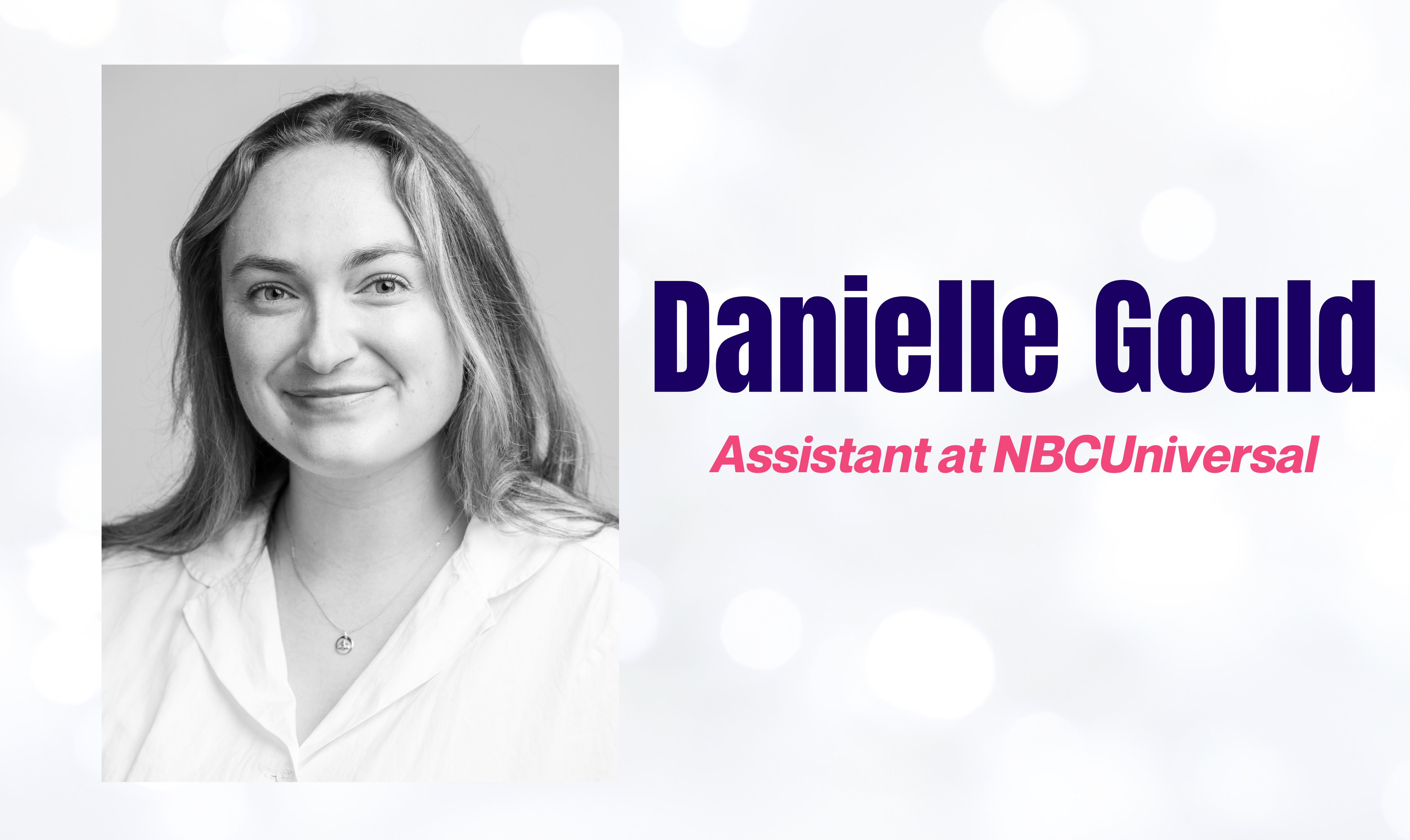
Below, Danielle shares the habits, tools and mindset that helped her break in, including how she organized applications, approached networking realistically, and handled rejection early on.
You’ve landed several internships yourself and now run Industry Interns to help others do the same. What inspired you to start it, and what gap did you notice for students or early-career creatives trying to break into entertainment?
I was inspired to start Industry Interns after noticing the lack of industry preparedness in myself, my peers, and general discourse online. During my time at school, I had so many conversations with fellow students who felt lost or behind and didn’t know where to start. I think our classes at school focus on craft, history, or specific skills but lack the entry-level career readiness we need immediately after graduation. Where’s the class on agencies’ mailrooms or how to be a good assistant? I wanted to create a resource that could help fill out some of those gaps.
When you first started applying for entertainment internships, what felt the most confusing or intimidating about the process, and how did you figure it out?
I was intimidated by the sheer number of internships that even existed, let alone trying to figure out what was worth my time applying to. I was overwhelmed by trying to change my resume and cover letter to be perfectly tailored to each job. Slowly, I curated a few templates that worked for me and was able to speed up my application process. My best advice is to keep a few versions of both your resume and cover letter handy, and mix and match to best fit each job.
Entertainment internships open and close at different times, which can be confusing. What’s your advice for staying organized and spotting opportunities early, especially for students who don’t know where to start?
I love a spreadsheet! I had one throughout college with a tab for each internship semester. I’d write down the name of the internship, the company, key details, the deadline, when I submitted, and whether I got an interview, rejection, or was ghosted. It was helpful to stay organized and to look back and notice patterns from previous years to help better predict future timelines. Websites like Hollylist and Entertainment Careers were also really helpful.
The industry is built on connections, but not everyone has them starting off. For someone without family or school ties in entertainment, what are some realistic ways to build relationships without it feeling forced or intimidating?
The best way is to lean into the relationships you have with people who have SEEN you work. On their end, it’s much easier to vouch for you or recommend you if they can back it up with actual experience. I even mean if they’ve seen you work as a barista or in retail — ask those people if they know anyone in the spaces you want to be in. Professors and classmates are also a good place to start.
Truthfully, the generic 20 minute LinkedIn Zoom chat isn’t likely to blossom into a long mentorship. Those are good for learning and gaining information about specific roles, but harder to start a significant relationship with a stranger. Hence my emphasis on people you know!
Whether it’s a fan account, student org, or creative project, many people already do the kind of work entertainment companies value, without realizing it. What’s your advice for showing that off professionally?
Any experience you have can be fair game for your resume. Think about ways to tailor it to entertainment using quantifiable data and strong verbs. If you have a lot of visuals or tangible projects, throw them into a website! There are great free options and templates out there and it can really elevate your presentation to employers.
Thinking back to your internship applications, what helped you feel prepared, from your resume and cover letter to the interview itself? Any choices or habits that helped you stand out?
I know it sounds simple, but really doing the research beforehand. Employers can tell when you haven’t, and can especially tell when you aren’t actually interested in the role or company. In terms of resume and cover letters, I sought out my school’s resources and tried to get them in front of a few people for feedback before sending it out.
Rejection is a big part of applying. How did you handle “no’s” early on, and what advice do you have for people who don’t get in this round but want to keep building toward their dream job?
I think my rejection numbers are somewhere in the three digits... Needless to say, it’s absolutely a part of the process and remember that everyone has been rejected far more times than not. While you can never really be sure, I used to think it was helping “get my name in the system.” It’s good practice to get used to the application portals and I tried to channel it into motivation to keep working toward my goal.
What’s one lesson from your internship days that still guides how you approach your career, and one small step you’d recommend to anyone who dreams of working in entertainment?
Kindness goes such a long way. Entertainment can be stressful, and you might be working around people with big personalities, but you can always control how you treat others and the attitude you bring to work every day. People want to keep good people around!
This interview has been lightly edited for clarity and length.